A well-organized hackathon is decided long before the first line of code: in the space, the connection, the food and the people who help the teams. Barcelona hosts hackathons all year round, from university events and big company events to AI meetups, and more and more companies and communities are running their own.
In this guide we explain how to organize a hackathon in Barcelona step by step: what to define first, what to ask of the venue, how to plan the logistics and what not to forget on the day. At the end you will find a checklist and how we approach it at betahaus, in the heart of Gràcia.
1. Define the goal and the format before looking for a venue
The goal decides everything else: number of people, duration, prizes and type of space. Before looking at dates or rooms, answer these four questions:
- Why you are doing it. Attract talent, solve a business challenge, activate a community or try out a technology. With a clear goal it is easier to convince sponsors and participants.
- Who takes part. Students, developers, internal teams or a mixed profile. It changes the pace, the level of support needed and even the schedule.
- In person, online or hybrid. An in-person hackathon needs space, connectivity and food; a hybrid one also adds good streaming and a remote help channel.
- How long it lasts. 24 hours is the classic format, but one-day hackathons without overnight stays are also common, especially for company events.
With that you define the challenge (the specific problem teams must solve), the participation rules, the prizes and the budget. Organizer guides agree on starting months ahead, especially if you are looking for sponsorship: securing it can take weeks.
2. The venue: what a good place for a hackathon needs
The venue sets the energy of the event. These are the conditions worth demanding before you book:
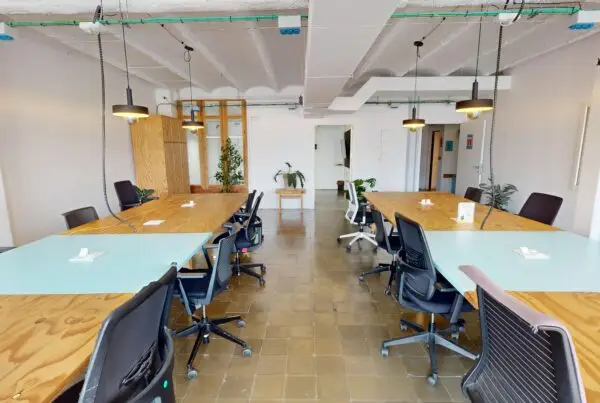
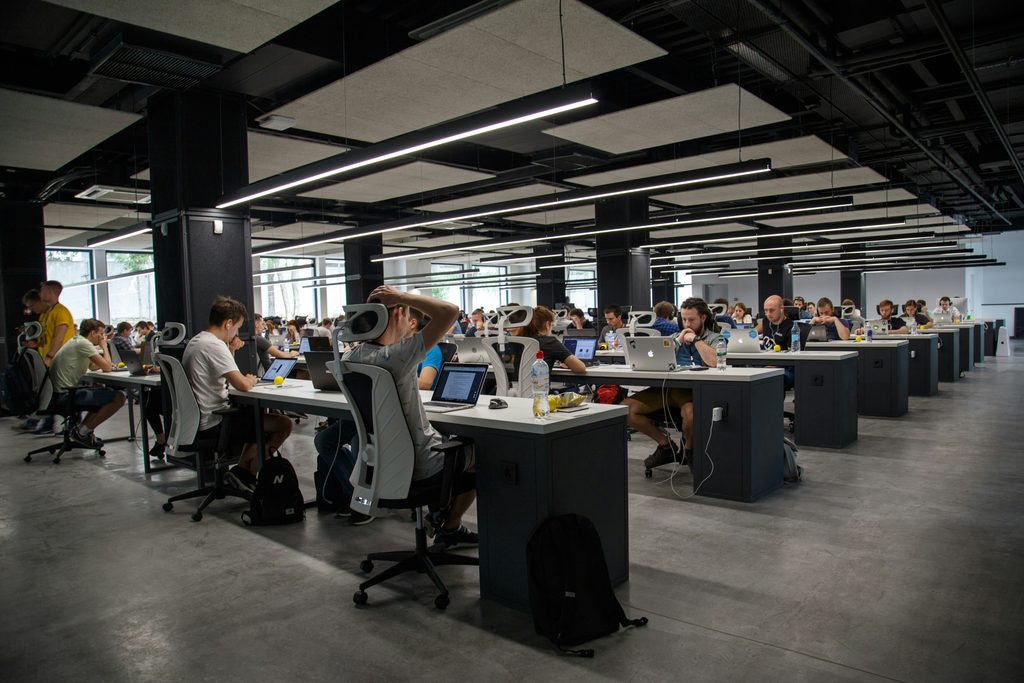
- Real capacity per team. A hackathon is not a talk: each team needs a table, room for laptops and space to move. Always ask for the exact layout for your number of people, not just the maximum capacity.
- Flexible furniture. Tables that can be pushed together by team and rearranged between the working phase and the presentations.
- Presentation area. Screen or projector, sound and microphones for the final demos.
- Breakout rooms and rest areas. Spaces for team meetings, calls, mentoring and taking a break.
- Natural light and outdoor areas. They help keep energy up during long days.
- A prior visit. Go to the venue before deciding: check wifi, power outlets, projector, microphone and restrooms.
- Hours and access. Clarify from the start until what time you can use the space and how access works outside opening hours, especially if the event is long.
A good tip: ask whether someone from the venue team will be available throughout the event to solve technical issues.
3. Logistics: wifi, power, food and work areas
At a hackathon the technology cannot fail: all participants work at the same time, each with several devices. Organizer guides agree on one point: plan for more devices than you think. Some recommend planning for up to three times the devices on wifi and power, and having a backup power source.
Wifi and power. Ask about the real connection speed (ideally symmetric) and how many simultaneous connections it can handle. Check that there are outlets at every table and bring spare power strips. Run a test the day before, or during your visit to the venue.
Food and drink. Hire suppliers in advance and confirm delivery. Think of coffee and water always available, snacks between meals and a main meal that does not force people to leave the building. Do not forget vegetarian, vegan and gluten-free options: ask participants to state their needs when they register.
Work areas. Spread the teams across tables and leave aisles free for mentors. A good practice is to group teams with similar challenges and place mentor stations in the busiest spots.
Registration and signage. A smooth check-in (the usual target is under two minutes per person), clear signs and a physical help desk avoid queues and doubts, especially for first-time participants.
4. Mentors, judges and prizes
Teams remember a hackathon for the help they received and for how fair the evaluation was.
Mentors. Experienced people who solve technical and business questions during the event. Guides vary on the ratios (some suggest one mentor for every 5-8 teams), so adjust to the challenge. Give them the context of the challenge in advance and a rotating schedule so that no area is left uncovered for hours.
Judges and criteria. Define the evaluation criteria first (innovation, feasibility, impact, demo quality) and then choose the judges. Send judges the rules and criteria in advance, not on the same day. If there are many teams, limit demos to 60-90 seconds and share the work among several judges to avoid fatigue.
Prizes. They can be money, but also mentorships, access to acceleration programs, software licenses or job offers. They are usually funded by sponsors, so define them together and explain what sponsors get in return (visibility, access to talent, a challenge proposed by their company).
Wrap-up. Publish a recap within 48 hours, with winners, projects and photos, and share a report with sponsors. Also send a feedback form to improve the next edition.
5. Sample schedule for a 24-hour hackathon
This is an indicative proposal you can adapt to your event. What matters is making the submission and presentation times clear, and looking after the moments when energy drops.

| Event time | What happens |
|---|---|
| Hour 0 | Check-in, welcome and challenge presentation |
| Hours 0-1 | Team formation and table assignment |
| Hours 1-12 | Teamwork, main meal, first round of mentoring |
| Hour 12 | Energy dip: short activity or active break |
| Hours 12-18 | Second round of mentoring, dinner, project adjustments |
| Hours 18-22 | Final stretch: wrapping up the product and preparing the demo |
| Hour 22 | Project submission |
| Hours 22-24 | 60-90 second demos, judges deliberation, prizes and networking |
6. Final organization checklist
Save this list and review it a week before and the day before the hackathon.
- Goal, audience, format and duration defined
- Challenge, rules and evaluation criteria published
- Budget and sponsors confirmed
- Venue booked, with a prior visit done
- Wifi and power outlets tested under real load
- Screen, projector, sound and microphones tested
- Catering hired, with options for different diets
- Mentors and judges confirmed, with materials sent
- Prizes defined and announced
- Registration and signage ready
- Communication plan before, during and after the event
- Recap and feedback scheduled for the following 48 hours
Hackathons at betahaus Barcelona
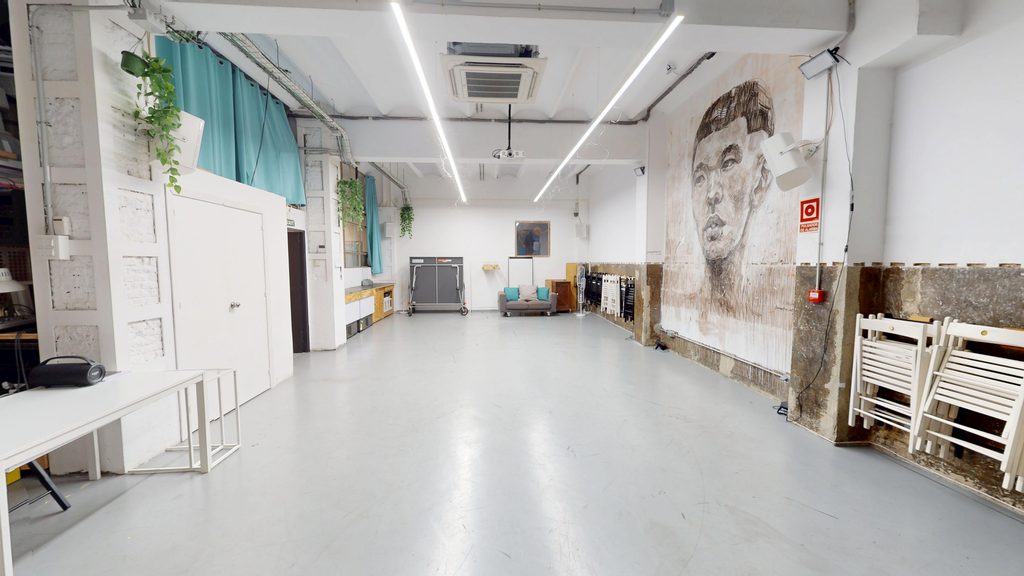
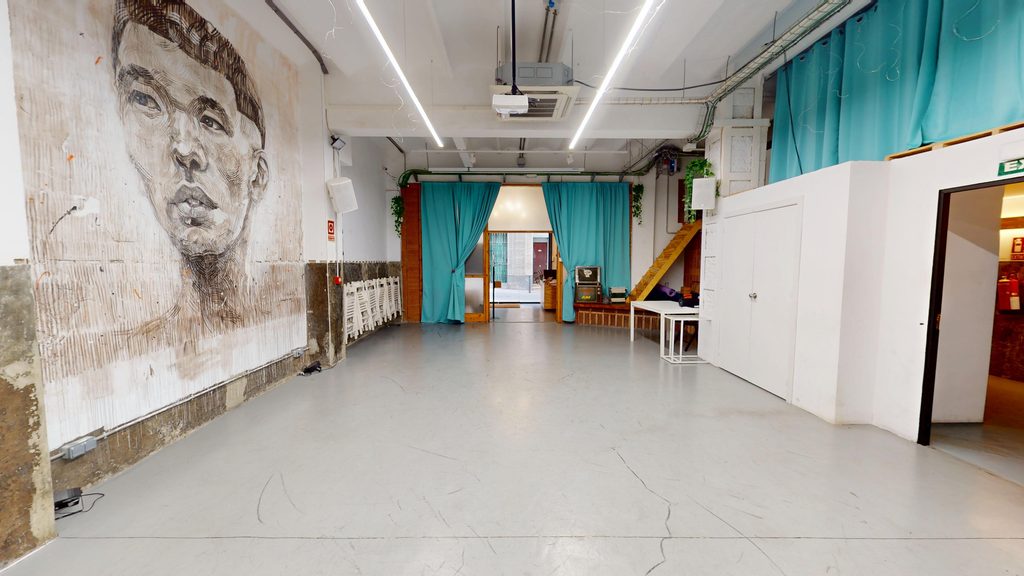
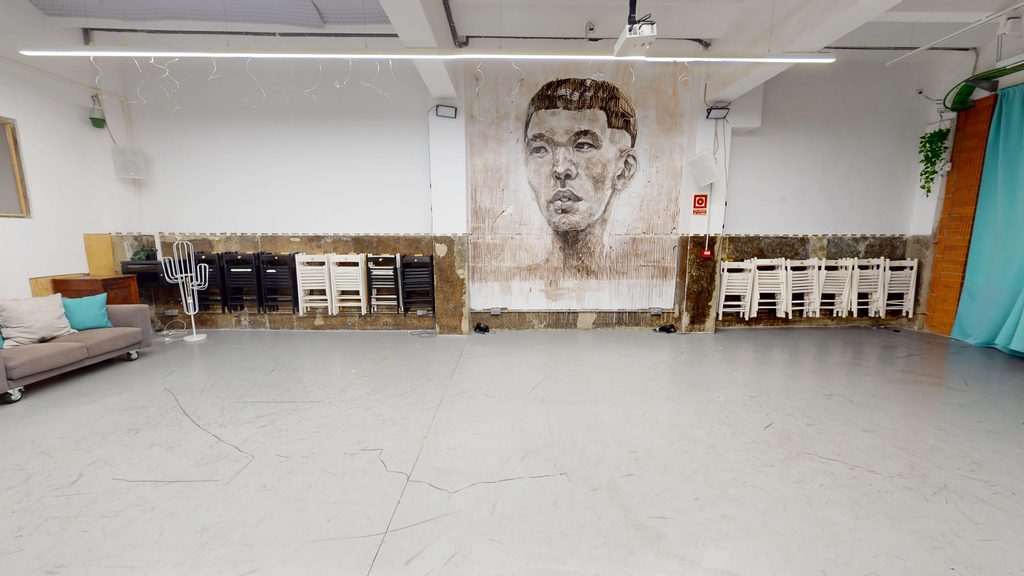
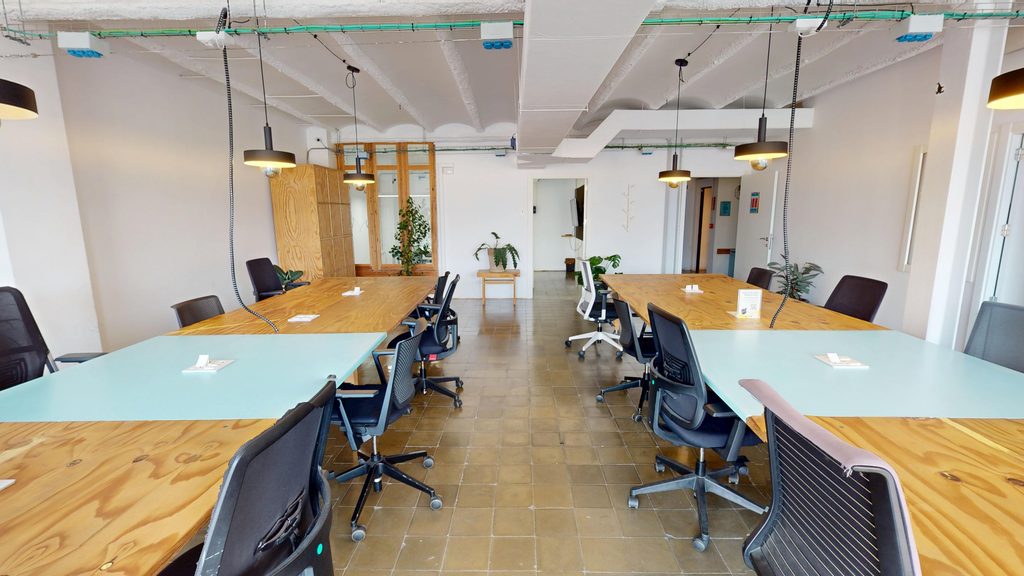
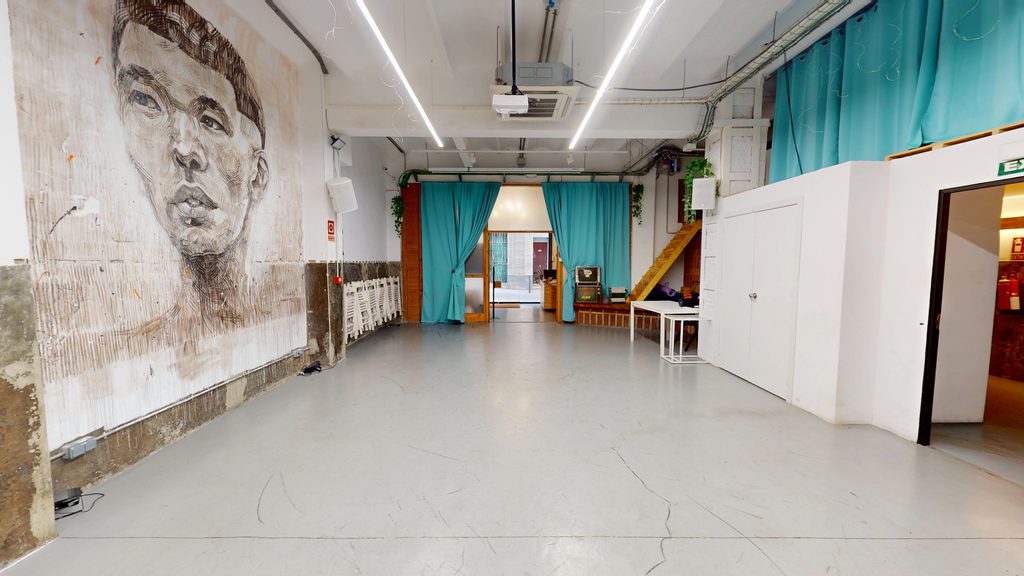
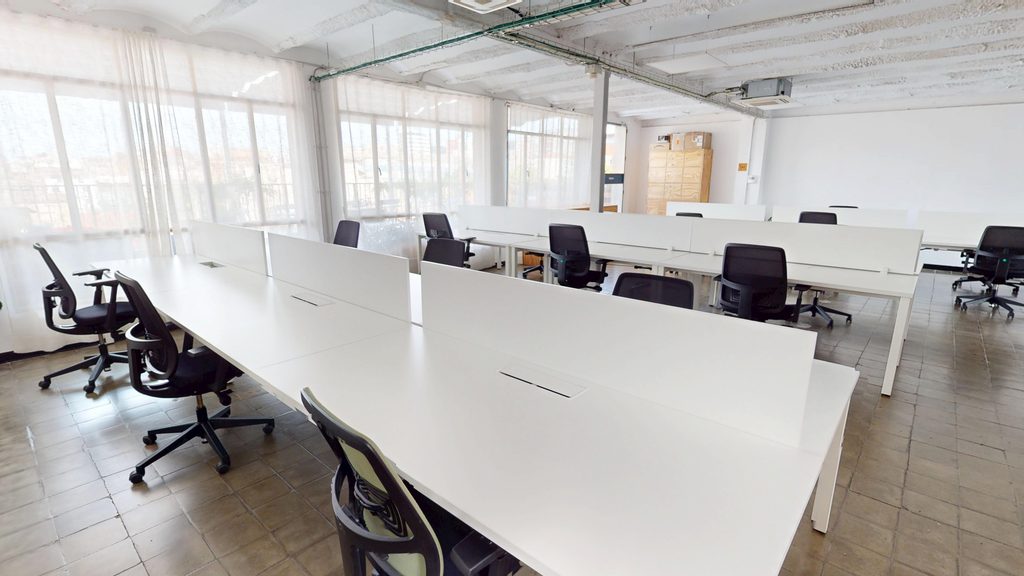
At betahaus, in the heart of Gràcia, we have a space for workshops and hackathons with three layouts for 24, 32 and 40 people, inside our event space.
This is what the rental includes:
- 600 Mbps symmetric wifi, projector, screen or white wall, professional sound, microphones, whiteboards and flipcharts.
- 100% mobile furniture, to move from the working phase to the presentations with no effort.
- Breakout rooms, soundproof booths and 6 terraces for mentoring, calls and breaks.
- Optional coffee break and catering, with local suppliers and vegan, vegetarian or gluten-free options (you can also bring your own).
- Team support during the event and a prior technical test, no commitment.
If your group is larger, we can split it across more than one space and considerably increase the capacity. Prices start at €89/hour + VAT, with discounts for half-day or full-day bookings. Before deciding you can take the virtual tour of the space or ask for a guided visit. If you have a project in mind, get in touch and we will see how to adapt to your event.
Tell us about your event and we will reply within 2 business hours.
Frequently asked questions
How far in advance should you start organizing a hackathon?
Ideally with several months of margin, especially if you need sponsors, who can take weeks to decide.
How many people fit in a hackathon at betahaus?
Our layouts for workshops and hackathons are for 24, 32 and 40 people. If your group is larger, we can split it across more than one space and considerably increase the capacity.
Can a hackathon last just one day?
Yes, you can also plan it as a single day, with no overnight stay. Get in touch and we will look into it based on your project.
Does the venue include food and drink?
You can hire a coffee break or catering with us, with options for different diets, or bring your own.
Can I try the space before booking?
Yes: you can ask for a guided visit, a technical test or take the virtual tour.